
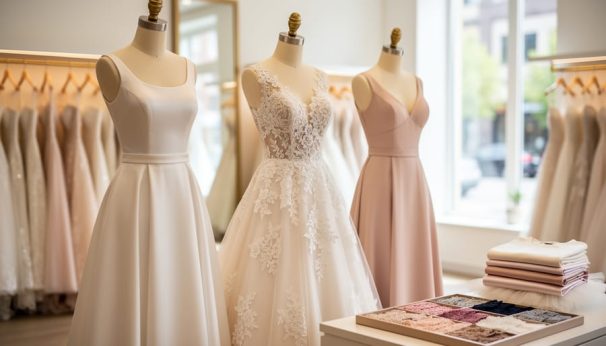
Finding a stunning wedding dress on a budget is absolutely possible, and you don’t have to sacrifice style or quality to stay within your means. Today’s savvy couples can find beautiful gowns for under $200 through preloved marketplaces, snag designer samples at pop-up sales for $400 to $1,300, or discover budget-friendly new options starting around $237 from online retailers. The real game plan? Understanding where to shop, what to expect at each price point, and which trade-offs make sense for your big day.
The landscape of affordable bridal wear has transformed dramatically. Sample sales like Opportunity Bridal’s pop-ups now offer over 600 designer gowns priced between $399 and $1,299, while retailers like Michelle My Belle Bridal discount select styles up to 50% off. If you’re willing to shop secondhand or explore emerging online boutiques, prices drop even further. Etsy’s Canadian bridal marketplace features an entire category dedicated to dresses under $200, proving that budget doesn’t have to mean boring.
What makes this moment particularly exciting for budget-conscious couples is the expansion of sizing and the refinement of online shopping experiences. You’re no longer limited to whatever happens to be available in your size at a local consignment shop. Pop-up sales now carry sizes 2 through 28, and virtual try-on tools help you visualize styles before committing. The catch? Many budget options come with final-sale policies and require strategic timing, which is exactly why knowing how to navigate these channels matters so much. Let’s walk through the smartest ways to find your dream dress without the luxury price tag.
What Makes a Wedding Dress Affordable
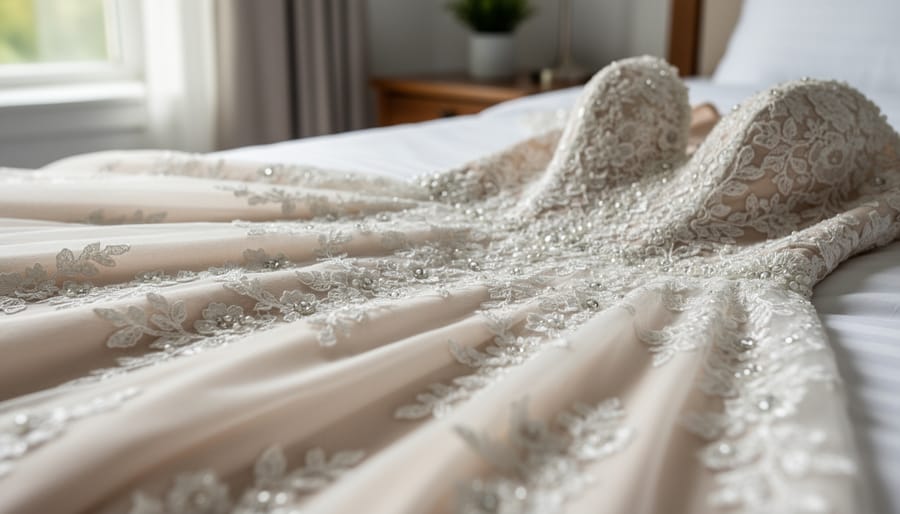
Affordable wedding dresses aren’t a compromise on beauty, they’re simply gowns sold through smarter channels. The difference between a $3,000 dress and a $400 one often has less to do with quality than with how and when you buy it.
Sample sales drive some of the biggest savings. Bridal boutiques regularly clear out floor samples, discontinued styles, and overstock at steep discounts. These are the same designer gowns that sold for full price weeks earlier, now marked down 50% to 70% because shops need floor space for new collections. You’re buying a dress that’s been tried on in-store, but the fabric, construction, and detailing remain identical to what a full-price customer received.
Pop-up events take this model further by consolidating inventory from multiple retailers. Opportunity Bridal’s Saint John event, for instance, brought together over 600 designer gowns priced between $399 and $1,299 across sizes 2 through 28, all final sale. These events create urgency and volume that translate to lower prices.
Preloved dresses introduce another savings tier. A bride who wore her gown once can recoup some cost by reselling it at 40% to 70% below retail, and you get a designer dress for the price of a budget brand. Condition matters here, inspect seams, check for staining, and factor in cleaning costs, but a well-maintained secondhand gown delivers genuine value.
Direct-to-consumer brands and online retailers cut out boutique markups entirely. June Bridals lists sale dresses starting at $236.69, while Etsy’s Canada market includes options under $200. You sacrifice the in-store try-on experience, but the savings are substantial if you know your measurements.
What separates value from false economy is construction quality and realistic alteration budgets. A $300 dress with solid seams and clean fabric beats a $150 gown that frays after one fitting.
Where to Find Budget-Friendly Wedding Dresses
Sample Sales and Pop-Up Events
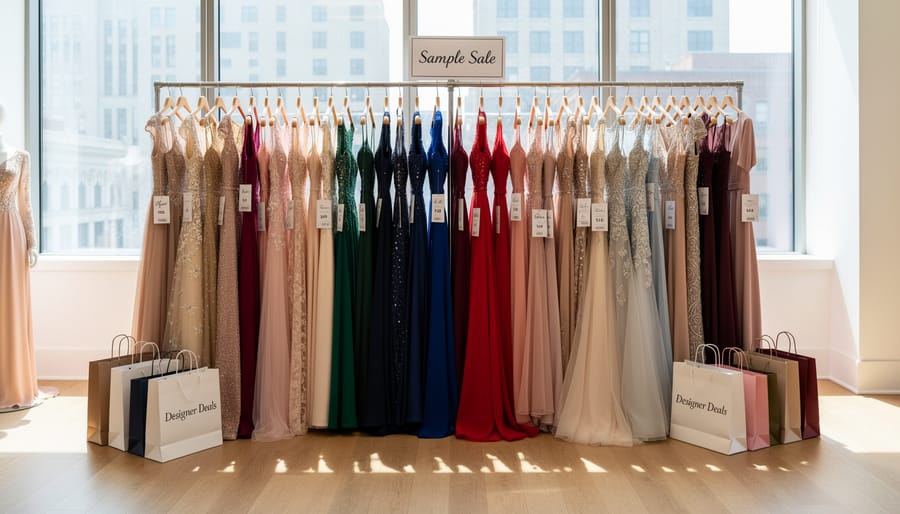
Sample sales and pop-up events are gold mines for budget-savvy brides who want designer quality without the boutique markup. These events sell floor samples, discontinued styles, and overstock inventory at steep discounts, often 50% to 70% off retail prices. The catch? Most operate on a first-come, first-served basis with strict final sale policies, so you’ll need to know your measurements and be ready to commit on the spot.
Here’s what you can expect at major sample sale events across Canada:
| Retailer/Event | Price Range | Discount | Size Range | Return Policy |
|---|---|---|---|---|
| Opportunity Bridal (Saint John) | $399, $1,299 | Varies | 2-28 | Final sale, no returns/exchanges |
| Michelle My Belle Bridal | Varies | Up to 50% off | Varies | Check event terms |
| Ceremony Barrie | Varies | Up to 70% off | Varies | Check event terms |
Take Opportunity Bridal’s Saint John pop-up as an example: they bring over 600 designer wedding gowns ranging from $399 to $1,299, with sizes spanning 2 through 28. That’s an impressive range for a sample sale, since many events skew heavily toward smaller sizes. The trade-off? All sales are final with no returns or exchanges, which is standard for this shopping format.
Sample sales typically happen seasonally when bridal boutiques need to clear inventory for new collections. If you’re flexible about trying multiple styles and can make quick decisions, these events offer incredible value. Just bring your measurements, a trusted friend for a second opinion, and be prepared to say yes that day. For more strategic shopping at special bridal events, check out our trunk show guide to understand how these limited-time opportunities work.
Online Marketplaces and Retailers
Online shopping opens up a world of affordable wedding dress options beyond what you’ll find in traditional brick-and-mortar stores, often with prices that rival (or beat) even the best sample sales.
June Bridals in Vancouver lists sale wedding dresses starting at US$236.69, making it one of the most budget-friendly options for Canadian brides willing to shop online. The site offers a range of styles at accessible price points, though you’ll want to factor in potential duties and shipping costs when ordering from international retailers. Review their sizing charts carefully and read customer reviews to gauge how their dresses run, online purchases require more homework upfront than trying on at romantic bridal boutiques but the savings can be substantial.
Etsy Canada has carved out a niche for brides seeking truly affordable options, with an entire category dedicated to wedding dresses under $200. You’ll find everything from simple bohemian styles to vintage-inspired lace gowns, many from independent designers and seamstresses. The platform’s review system helps you vet sellers before purchasing, and many offer custom sizing at minimal extra cost. Just be realistic about production and shipping timelines, ordering three to four months ahead of your wedding gives you buffer room for any issues.
When shopping online marketplaces, always verify seller ratings, read the fine print on return policies (many affordable dresses are final sale), and ask for detailed photos of the actual dress if the listing only shows samples. Budget an extra $100-$200 for potential alterations, since getting the fit right matters more than the initial price tag.
Preloved and Used Wedding Dresses
The secondhand wedding dress market has exploded in recent years, giving budget-conscious brides access to designer gowns at a fraction of retail prices. Facebook Marketplace has become one of the most popular platforms for preloved dresses, where you’ll find everything from never-worn sample purchases to gently-used gowns from recent weddings. The selection varies widely by location, but many brides list designer dresses for 50-80% off original prices, and you can often negotiate further or find local sellers willing to meet in person for try-ons.
Consignment boutiques offer a middle ground between the Wild West of online marketplaces and traditional bridal shops. These stores curate their inventory, inspect dresses for quality, and often handle cleaning before listing. You’ll pay slightly more than buying directly from another bride, but the peace of mind and ability to try on multiple dresses in one visit makes the markup worthwhile for many shoppers.
When shopping preloved, inspect every inch of the dress before committing. Check seams for pulling or loose threads, examine the hem and train for stains or discoloration, and test all zippers and closures. Even a “like new” dress may need professional cleaning, which typically runs $150-$300 depending on fabric and embellishments. Factor in alteration costs too, many secondhand dresses were custom-fitted to their original owner, and you’ll likely need adjustments that can add $200-$500 to your total investment. Still, buying a $2,000 dress for $600, even with another $400 in cleaning and alterations, keeps you well under budget.
Types of Affordable Wedding Dresses Compared
Not all affordable wedding dresses are created equal, and understanding the differences between your main budget options helps you make smarter choices with your money. Each category comes with distinct trade-offs in price, condition, and flexibility, so knowing what you’re buying matters as much as the price tag itself.
New Designer Samples are leftover floor models or discontinued styles from recognized bridal designers, typically sold through sample sales like Opportunity Bridal’s events (where gowns run $399, $1,299 in sizes 2-28) or boutiques clearing inventory. You’re getting genuine designer quality at 40-70% off retail, but these dresses have been tried on dozens of times, may show minor wear on hems or fabric, and come as-is with final sale terms. Alterations can add $150, $400 depending on how far your measurements are from the sample size, usually an industry standard 8 or 10.
New Budget-Brand Dresses are freshly made gowns from direct-to-consumer labels or accessible retailers, with Lulus wedding dresses exemplifying the category alongside brands like June Bridals (starting at US$236.69) or Etsy sellers in the under-$200 range. You’re buying unworn, often with more forgiving return policies than sample sales, and selecting from current styles rather than leftover stock. The compromise comes in construction: simpler fabrics, less hand-finishing, and sometimes inconsistent sizing that requires careful measurement checks before ordering.
Preloved Designer Gowns are secondhand dresses from recognized designers, sold by previous brides through consignment shops, Facebook Marketplace, or peer-to-peer platforms. Prices vary wildly based on original cost, condition, and seller motivation, you might snag a $3,000 dress for $800, or find a heavily altered sample for $400. Condition inspection becomes critical here: check for stains that won’t come out, stretched seams, missing beading, or alterations that can’t be reversed if the dress needs to be let out.
Preloved Budget Dresses are the most affordable tier, typically under $300 for gowns that started at accessible price points and are now secondhand. You’re looking at dresses from budget brands, department stores, or fast-fashion bridal lines that someone wore once and resold. Expect minimal resale value after your own wedding, possible condition issues like yellowing or fabric pilling, and limited alteration potential if the original construction was basic. The upside is rock-bottom pricing when condition aligns with your standards.
- New designer samples: Best for brides who want designer names at half price and can commit to final sale; watch for try-on wear and budget $200+ for alterations.
- New budget brands: Ideal if you want unworn and flexible returns; scrutinize fabric quality and measure carefully since sizing runs inconsistent.
- Preloved designer: Highest potential savings on luxury gowns; inspect thoroughly in person and verify any alterations won’t limit future adjustments.
- Preloved budget: Rock-bottom prices for one-day wear; expect condition compromises and minimal alteration leeway given simpler construction.
Your best value depends on what you’re willing to compromise: samples trade pristine condition for designer pedigree, new budget dresses trade prestige for flexibility, and preloved options of any tier trade predictability for potentially massive savings. Match the category to your priorities, whether that’s a specific label, perfect condition, or simply the lowest possible spend, and you’ll avoid paying for features that don’t matter to you.
Essential Factors When Shopping for Cheap Wedding Dresses
Size Range and Fit
Size availability can make or break your budget wedding dress hunt. While traditional bridal shopping often means squeezing into a sample size 8 or 10, the landscape is shifting. Some sample sales now carry sizes 2 through 28, opening doors for more brides to snag designer gowns at fraction prices without extensive alterations.
Sample dresses typically run smaller than street sizing, and many events stock limited size ranges. If you’re shopping sample sales, expect to try on dresses that might not zip completely or pull slightly across the bust. This is normal, but it’s crucial to assess whether alterations can realistically achieve the fit for older brides and all body types.
Here’s where budget-conscious planning gets real: alterations aren’t cheap. Taking in a dress might cost $150 to $300, but letting out is often impossible if there’s no seam allowance. Adding fabric, restructuring boning, or drastically changing the silhouette can run $400 to $800, potentially erasing your sample sale savings. Always ask the seamstress for a quote before buying, especially at final-sale events where returns aren’t an option.
Condition and Quality Indicators
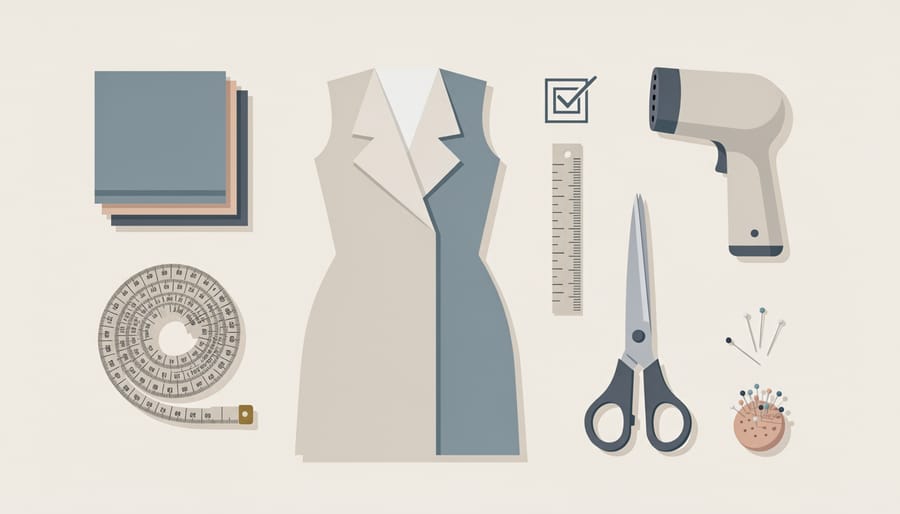
Inspecting a discounted wedding dress carefully can save you from costly surprises down the road. Start with the fabric itself, run your hands over the material to check for pulls, snags, or thinning areas, especially on delicate fabrics like lace or tulle. Hold the dress up to good lighting and look for discoloration, yellowing along seams, or watermarks that might not come out with cleaning.
Check every seam by gently tugging along the bodice, waistline, and hem. Loose stitching or fraying threads signal repair costs you’ll need to budget for. If the dress has beading or embellishments, examine whether crystals or pearls are missing, replacing them to match the original can be surprisingly expensive and time-consuming.
Test the zipper or button closures multiple times. A sticky zipper might mean it needs replacing entirely, which adds $75-150 to your alteration bill. For sample dresses that have been tried on dozens of times, underarm areas often show wear or deodorant staining that’s hard to remove.
The key question: will fixing any flaws cost more than the discount you’re getting? A $600 sample dress needing $300 in repairs isn’t the bargain it seems. But a $400 gown with one missing button and a loose hem? That’s still a win.
Return and Exchange Policies
When you’re shopping sample sales and pop-up events for budget wedding dresses, you’ll encounter strict no-return policies almost universally. All sales at events like Opportunity Bridal’s Saint John pop-up are final, no returns, no exchanges, no exceptions. This protects sellers offering deep discounts on designer gowns priced between $399 and $1,299, but it shifts all the risk to you.
Before you hand over your card, try the dress on completely. Check the zipper, inspect seams under bright light, and move around to test comfort. Bring a friend with an honest eye. If something feels off, a stain you can’t assess, a fit that’s borderline, walk away. Final sale means you own every flaw.
For online purchases, read the fine print twice. Some budget retailers allow exchanges within a narrow window, while others mirror pop-up policies with zero flexibility. Screenshot the policy before buying, and if a site offers no clarity on returns, assume it’s final and shop accordingly. Ask yourself: would I keep this dress if it arrives slightly different than expected? If the answer is no, keep looking. Protecting yourself starts with accepting that these policies exist for a reason, then shopping only when you’re genuinely confident.
Common Mistakes to Avoid When Buying Affordable Wedding Dresses
Even the best deal can backfire if you overlook hidden costs or make common shopping errors. Budget-conscious brides need to stay vigilant about the full cost of ownership and shop strategically to make every dollar count.
Ignoring alteration budgets ranks as the most expensive mistake. That $400 sample sale gown becomes a $900 investment once you add hemming, taking in the bodice, and adjusting the bustline. Always ask about alteration costs before buying, especially at final-sale events where you can’t return an ill-fitting dress.
Buying the wrong size with plans to alter drastically rarely works. Wedding dresses can typically be taken in one to two sizes or let out about one size, but beyond that you’re fighting the dress’s construction. Sample sales often carry limited sizing, but events like Opportunity Bridal’s Saint John pop-up now stock sizes 2-28, making it easier to find your actual size rather than gambling on major alterations.
Online scams prey on bargain hunters. If a “designer” dress costs $150 with photos clearly stolen from another retailer, you’ll likely receive a poor-quality knockoff or nothing at all. Stick with established platforms like Etsy Canada’s verified sellers or reputable retailers like June Bridals rather than unknown websites offering impossible deals.
Skipping the try-on at sample sales wastes money when you can’t return. Since all sales at events like the Saint John pop-up are final, you must try the dress on and inspect it thoroughly before purchasing, checking seams, zippers, staining, and overall fit while you still have the chance to walk away.
Recommendations by Use Case
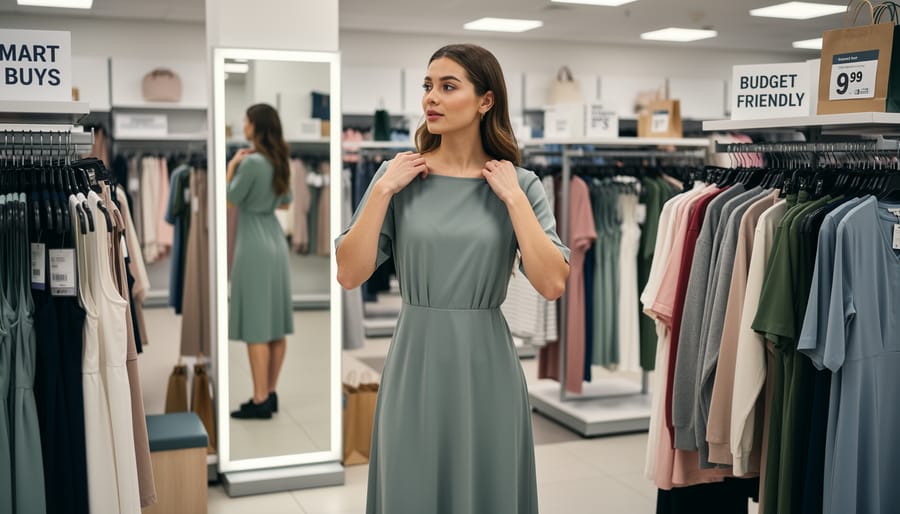
If you’re working with a strict budget under $300, start with Etsy’s under-$200 category for simple, new dresses or explore Facebook Marketplace for preloved gowns where you can negotiate. Budget an extra $100-150 for basic alterations. This works best if you’re comfortable with minimal embellishments and have flexibility on style.
For brides seeking designer labels without the designer price tag, target sample sales like Opportunity Bridal’s events (gowns $399, $1,299) or Michelle My Belle’s sales offering up to 50% off. You’ll get recognizable brands and quality construction, but remember these are final sale, bring shapewear, try everything on, and be prepared to commit on the spot.
If you need extended sizing, prioritize retailers explicitly listing broad size ranges. Opportunity Bridal’s Saint John pop-up carries sizes 2-28, which is rare for sample sales. Online budget retailers often stock more inclusive sizing than traditional sample sales, though you’ll sacrifice the try-before-you-buy advantage.
Planning a quick engagement or off-season wedding? June Bridals’ sale section (starting around US$237) offers ready-to-ship options that arrive faster than custom orders, perfect when timelines are tight and you can’t wait for sample sale schedules to align with your needs.
Frequently Asked Questions About Cheap Wedding Dresses
Finding affordable wedding dresses often raises specific questions about pricing, timing, and what to expect during the shopping process. Here are answers to the most common concerns budget-conscious brides have when searching for their dream gown.
Can you really find designer wedding dresses under $500?
Yes, absolutely. Sample sales and pop-up events regularly feature designer gowns at significantly reduced prices, for instance, Opportunity Bridal’s Saint John pop-up offers over 600 designer wedding dresses starting at $399. You’ll find the best selection at these events, though sizes and styles vary since you’re shopping existing inventory rather than ordering new.
How much should I budget for alterations on a cheap dress?
Plan to set aside $150 to $400 for alterations, depending on the complexity of changes needed. Basic hemming and taking in seams costs less, while adding sleeves, restructuring bodices, or significant sizing adjustments push toward the higher end. Always factor this into your total dress budget from the start.
Are sample sale dresses always final sale?
Most sample sales operate on a final sale basis with no returns or exchanges, this is standard at events like the Saint John pop-up and many boutique sample sales. You’re buying the dress as-is, so try it on carefully and inspect the condition thoroughly before purchasing.
What’s the difference between sample and preloved dresses?
Sample dresses are new gowns that have been tried on in boutiques or displayed at trunk shows but never worn for an actual wedding, while preloved dresses have been purchased and worn by another bride. Samples typically show minimal wear and come directly from bridal shops, whereas preloved dresses are sold peer-to-peer and may need more careful condition assessment.
Timing matters when you’re hunting for wedding dress deals. The best sales typically happen during slower bridal shopping periods, late fall through early winter, and mid-summer. Boutiques often clear sample inventory in November and December to make room for new collections, and again in July and August when fewer brides are actively shopping. Pop-up events can happen year-round but tend to cluster around these clearance periods as well.
Keep in mind that shopping affordable options requires more flexibility than ordering a new dress. Sample and preloved dresses are sold in their current size and condition, so you’re working with what’s available rather than customizing every detail. The trade-off is substantial savings, sometimes 50% to 70% off original prices at retailers like Michelle My Belle Bridal and Ceremony Barrie, which leaves more room in your wedding budget for other priorities.
Finding your dream wedding dress doesn’t require a dream-sized budget. With sample sales offering designer gowns from $399 to $1,299, online retailers starting below $240, and preloved options under $200, stunning bridal wear is within reach for every couple. The key is shopping strategically: explore sample sales and pop-up events in your area, browse preloved marketplaces for gently-used gems, and stay flexible on timing to catch the best deals.
Remember, the right wedding dress isn’t defined by its price tag. It’s the one that makes you feel confident, beautiful, and authentically yourself as you walk down the aisle. Whether you snag a discounted designer sample or discover a budget-friendly treasure online, what matters most is how you feel wearing it.
At, we’re committed to helping couples plan beautiful, memorable weddings without financial stress. Your big day should reflect your love story, not drain your savings. With the smart shopping strategies we’ve covered, you can invest in what truly matters while still looking absolutely radiant on your wedding day.