

Most unique budget weddings land somewhere well below the cost of a traditional celebration, but the real number depends on what kind of idea you choose. A backyard picnic ceremony and a destination elopement sit at very different ends of the spectrum, so the idea itself is the biggest price lever you have.
Three other things move the total up or down. Guest count comes first, since every extra person adds food, seating, and favours. Venue style is next: a park, a community hall, or a friend’s farm can cost a fraction of a traditional banquet space. Then there’s how much you take on yourselves versus hiring out, because DIY flowers and a playlist from your own phone save real money, while a pro photographer is often worth every dollar.
We’ve curated these ideas to show what’s possible, along with general planning ranges so you can picture where your own plans might fall. Think micro weddings, brunch receptions, potluck-style feasts, and ceremonies tucked into places that already feel like you. None of it assumes a particular budget. Whether your number is small or simply carefully chosen, the goal is the same: a day that feels personal, joyful, and unmistakably yours, without the financial stress hanging over it.
Below, you’ll find costs broken down by idea type, a look at where the money usually goes, and an honest DIY-versus-pro comparison to help you decide what’s worth splurging on.
What Unique Budget Wedding Ideas Cost by Style of Celebration
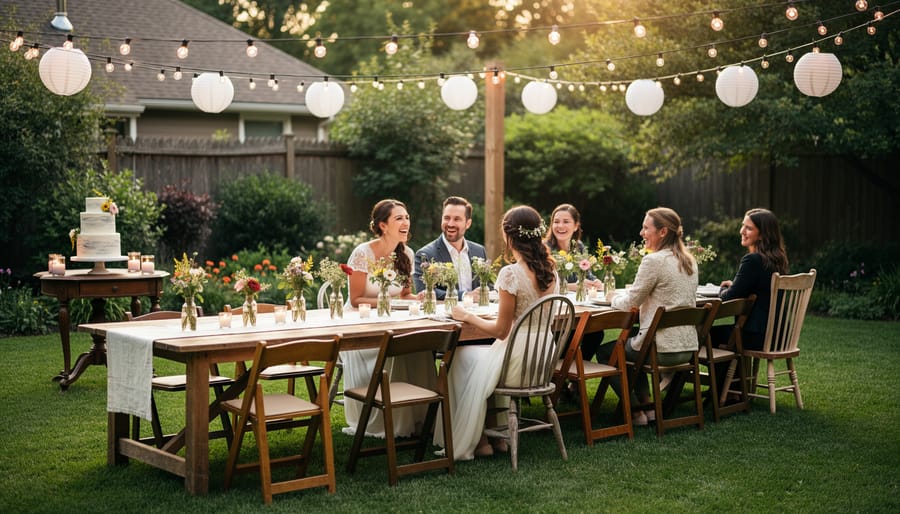
Unconventional Venues That Do the Decorating for You
Some venues arrive already dressed. A gallery has art on the walls, a botanical garden has blooms you couldn’t afford to rent, and a heritage hall has beams and brickwork that outclass any backdrop. When the space carries the character, you spend less on rentals, florals, and styling, and the photos still look like you planned every detail.
Farms, libraries, and community halls work the same way. A few candles and a good playlist can be enough, and these spaces often cost less than traditional banquet rooms. If you’re building a shortlist, our guide to budget-friendly venues is a helpful place to start.
| Idea | Typical cost range (estimate) | Where the savings come from | Best fit |
|---|---|---|---|
| Gallery or museum space | Low to mid, varies by city | Art replaces decor and styling | Creative, modern couples |
| Botanical garden | Low to mid, varies by season | Natural blooms replace florals | Romantic, outdoorsy couples |
| Farm or barn | Low to mid, varies by region | Rustic setting needs little styling | Relaxed, country-style celebrations |
| Community hall | Low, often hourly rates | Simple rental, flexible vendors | Practical, guest-focused couples |
Ranges like these are general planning estimates, so confirm local quotes before you commit.
Before you book, ask a few practical questions. Does the venue require its own insurance, or will you need event liability coverage? Are there noise limits, alcohol rules, or restrictions on open flames? Public gardens and heritage sites may also need a permit. If you’re leaning toward private land instead, our rundown of backyard permits explains what to check.
Timing Twists: Brunches, Weekdays, and Off-Season Dates
Saturday night is the most requested slot in the wedding calendar, and pricing reflects it. Venues, caterers, photographers and DJs can all charge less when you book a Friday, a Sunday or a weekday, because those dates are harder for them to fill. You can read more about how peak vs off-peak pricing works for venues, and the same logic often carries over to vendors.
Time of day matters too. A brunch or afternoon reception usually means lighter menus, less alcohol and no late-night overtime fees. Many couples also find a daytime celebration feels relaxed and bright, which suits a more personal wedding.
I think of one couple who had their heart set on a Saturday evening ballroom. When the quote came in, they paused, then asked what a Friday brunch might look like. The venue offered a lower rental rate, the caterer swapped a plated dinner for a build-your-own mimosa and pastry spread, and their photographer had a shorter day to cover. They told us the light was better in their photos, and they still had room in the budget for a live trio.
Off-season dates, such as late fall or early spring, can open similar doors. Ask each vendor what their quieter dates and time slots look like before you commit.
Guest-List Size as Your Biggest Budget Lever
Every guest you invite comes with a price tag attached, and it’s usually bigger than people expect. Food and drink are the obvious ones, but each person also needs a chair, a place setting, an invitation, a favour, and sometimes a shuttle seat or a spot at the head count your venue charges by. Add those up and a single plus-one can quietly cost far more than the dinner plate alone.
That’s why guest count ripples through everything else. Fewer people means a smaller space, fewer rentals, a lighter catering order, and often a venue you couldn’t have considered before. A cozy gathering opens the door to some lovely backyard ideas that wouldn’t fit a crowd of 150.
If trimming feels tender, start gently. Try inviting only people you’ve spoken to in the past year, or skip the “plus-one by default” rule for guests who don’t have a serious partner. Another kind option is a two-part celebration: a small ceremony with close family, then a casual party afterward. Nobody has to be the villain here, you’re simply deciding who belongs in the room.
Where the Money Goes: A Cost Breakdown for Unique Budget Weddings

Choosing Your Top Three Priorities First

Before you price a single vendor, get clear on what you two would actually miss if it vanished. Every couple’s answer is different, and that’s the point. Here’s a simple way to find yours:
- Each of you writes down the five moments or details you picture most vividly, without checking with the other.
- Compare lists and circle the overlaps, then talk through any surprises.
- Narrow to three non-negotiables together, such as food, photography, or music.
- Assign each one a firm dollar amount before touching anything else on the budget.
- Let every other line item flex, and ask yourselves whether guests would truly notice a simpler version.
- Revisit the three at each decision point so the extras never quietly eat into them.
Here’s how it played out for one couple I love. They realized the thing they remembered most from other weddings was the dance floor, so live music became their entire priority. They skipped the photo booth, the custom favours, and the tall floral arches, and nobody missed them. If you’re weighing a band against a playlist, it helps to see a realistic DJ cost in 2026 so you know exactly what you’re trading off.
This is how you make every dollar reflect what matters to you, rather than spreading thin across everything.
What Moves the Price Up or Down
Two couples can pick the same unique idea and end up with totals that look nothing alike. That isn’t a sign someone planned badly. It’s a handful of ordinary factors pulling the number in different directions, and once you know what they are, you can steer them.
Here’s what tends to move the price most:
- Location and local market: Big-city venues and vendors usually cost more than those in smaller towns or rural areas, so the same idea can swing widely by postal code.
- Season and day of the week: Peak summer Saturdays carry premium pricing, while Fridays, Sundays, and off-season dates often come with real savings.
- Guest count: Every extra guest adds food, drink, seating, and stationery, which is why it ripples through almost every line item.
- Catering style: A plated dinner generally costs more than a buffet, food trucks, or a brunch spread.
- Rental needs: A blank-slate venue like a field or warehouse may need tables, chairs, lighting, and restrooms brought in, which can offset what you saved on the space.
- Vendor travel: Photographers, florists, and officiants may add travel or accommodation fees if your location is far from their base.
- Permits and insurance: Public parks, heritage sites, and private land sometimes require permits or event coverage, so ask early.
- Last-minute changes: Rush orders, added guests, and swapped vendors usually cost more than decisions made with time to spare.
Beyond the big drivers, there’s a quieter category worth watching: the small charges that don’t show up in the headline price. Service fees and gratuity on catering, overtime if the celebration runs past your booked window, delivery and setup charges for rentals, and cleanup or damage deposits at non-traditional venues are all common. None of these are unusual, and none are cause for alarm. They just deserve a line in your budget so they don’t land as surprises.
A simple habit helps here. When you collect a quote, ask what’s included and what isn’t, then request the full total in writing, taxes and fees included. That one question can surface the extras before you’ve committed, and it makes comparing two options a lot fairer. Pair it with a small cushion for the unexpected, and you’ll be in good shape whichever way these factors fall.
DIY vs. Hiring a Pro: Where Each Choice Makes Sense
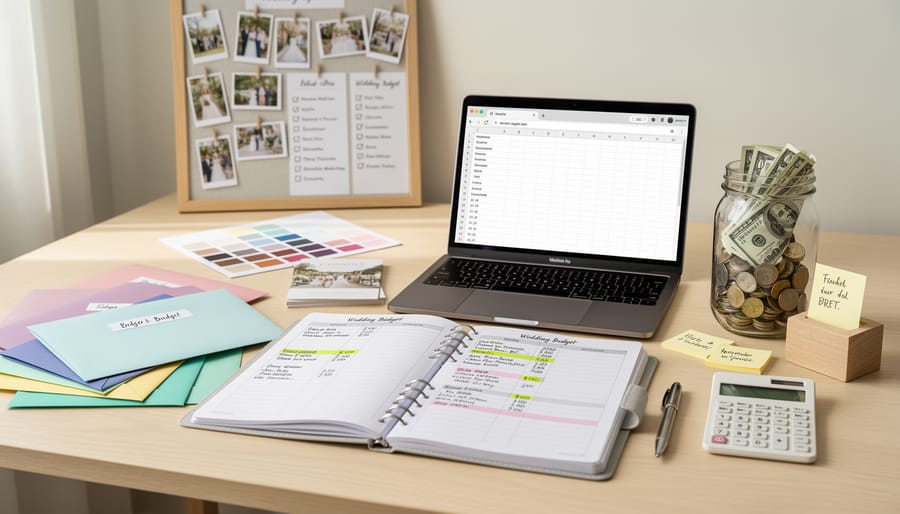
Best Bets for DIY, and Jobs Worth Outsourcing
Some jobs are made for DIY. Signage, favours, simple centrepieces and playlists are low-risk, forgiving, and a great place to add personality. If a handmade sign leans a little, guests read it as charm. A playlist you built yourselves also tells your story better than anything off the shelf. If you’d like a hand pulling the look together, a style consultation can help you decide which details are worth making yourselves.
Other jobs carry real consequences when they go sideways. Photography can’t be redone, catering involves food safety, officiant logistics affect whether the ceremony is legally valid, and day-of coordination keeps everything running while you enjoy your own wedding.
Pros
- DIY can trim costs on small, low-stakes items like signage and favours.
- Handmade touches add a personal feel that guests remember.
- You control every detail, from the colours to the song order.
Cons
- Supplies and your own hours can quietly erase the savings.
- Prep work piles up in the final weeks, which adds stress.
- Mistakes with photos or food are hard or impossible to fix later.
A good rule of thumb: DIY what you’d enjoy making, and hire out anything you can’t afford to get wrong.
Smart Money-Saving Moves for Wedding Budget Management
Money-saving works best when it becomes a habit rather than a one-time push, and a few small systems make the biggest difference.
Start by tracking everything in one shared spreadsheet that you and your partner both update. Seeing real numbers beside your estimates keeps surprises small. Add a 5 to 10 percent buffer line right away, because something unexpected always turns up, whether it’s a delivery fee or a late guest addition.
Get at least three quotes for any major category. You’ll learn what’s typical in your area, and vendors are often more flexible than their first number suggests. Ask directly about off-peak rates and package pricing, since bundling photography hours or catering with rentals can quietly trim the total.
Before you buy anything, ask whether you could borrow or rent it. Friends and family often have arches, lanterns, or linens sitting in a garage, and rental shops cost far less than owning decor you’ll use once.
Finally, give each category a decision deadline. Open-ended choices tend to drift into rushed, pricier ones.
A bit of structure now means more room for the details you’ll actually remember.
Common Questions About Unique Budget Wedding Ideas
Couples tend to ask the same handful of things once they start dreaming up something different, so here are the straight answers.
Can a unique wedding really cost less than a traditional one?
Often, yes, because a venue with built-in character, a smaller guest list, or an off-peak date can trim several line items at once. It isn’t automatic, though, so price out your plan before assuming the savings will show up.
Is a micro-wedding always cheaper?
Not always. Fewer guests lowers your food, drink, and rental totals, but couples sometimes redirect those savings into pricier food, photography, or a standout venue, so the final number can end up close to a bigger wedding.
How much should I set aside for surprise costs?
A cushion of roughly 5 to 10 percent of your total budget is a common planning habit. It covers things like service fees, overtime, or a last-minute rental without throwing everything off.
What should I never skimp on, and when is a planner worth it?
Protect the few things that matter most to you, and for many couples that means photography, food safety, and day-of logistics. A planner or day-of coordinator earns their fee when your plan has lots of moving parts, like a non-traditional venue with no built-in staff.
If your question isn’t here, that’s completely normal, since every unique wedding raises its own little puzzles. Jot them down as they come up, and bring them to your vendor quotes so nothing gets left to chance.
Unique and budget-friendly really can go hand in hand. The couples who pull it off aren’t the ones who found some secret discount; they’re the ones who got clear on what matters most and let everything else flex around it. Maybe that’s a gallery wall instead of a florist’s invoice, a Friday brunch instead of a Saturday-night premium, or a guest list trimmed down to the people who’d gladly dance in the rain with you.
That’s the heart of Budget Management for Weddings: choosing where your money goes on purpose. Name your top priorities, protect them, keep a small cushion for surprises, and give yourselves permission to skip the rest.
Your wedding doesn’t need to look like anyone else’s, and it doesn’t need to cost more to feel special. If you’d like a hand turning your ideas into a plan that fits your numbers, we’re here at WeddingGirl.ca whenever you’re ready to chat.