
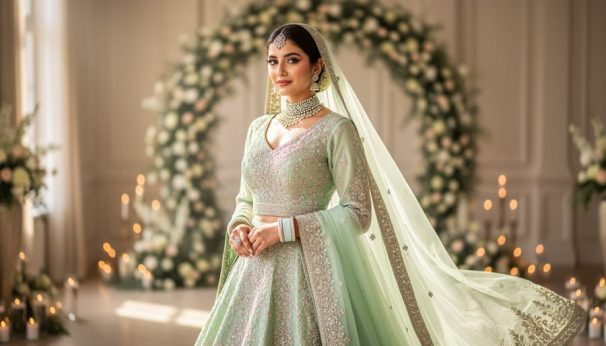
The latest Pakistani wedding dress trends are lighter, more personal, and far more thoughtful about colour than they were a few years ago. Red is still the barat favourite, but it now shares the season with ice mint, pistachio, champagne, and rust. Heavy embroidery hasn’t disappeared either. It has simply moved to the neckline, the waist, and the dupatta border, so the look feels richer without feeling weighed down.
That shift tells a bigger story. Pakistani bridal fashion has moved from mostly traditional red lehengas with heavy gold embroidery to a blend of classic styles and modern touches. Picture a pastel lehenga with delicate silver work where a bride once might have worn only the traditional red. Both are beautiful, and both feel completely at home in 2026.
Below, you’ll find nine trends worth knowing, from bold colour palettes and pastel shades to velvet and chiffon, zardozi and gota patti handwork, double dupatta draping, dramatic trails and capes, statement blouses, and minimalist looks. Use them to decide on colours, silhouettes, and details for your own wedding or for someone you love. Pair them with the latest wedding ceremony trends and you’ll have a strong starting point for the whole celebration.
Take what speaks to you, skip what doesn’t, and make the look your own.
How We Chose These Nine Trends
We built this list the way a bride-to-be would sort through inspiration: by what keeps showing up. Each trend earned its spot because it appears consistently in 2026 Pakistani bridal coverage, because it changes the overall look of an outfit (not just a small detail), and because it can flex to different tastes and budgets. We haven’t assumed what anyone plans to spend.
To keep things easy to compare, every trend gets viewed through the same five lenses:
- Colour palettes: the shades brides are asking for.
- Silhouettes: the cuts and shapes of the outfit.
- Embroidery placement: where the handwork sits.
- Fabrics: how each material drapes and photographs.
- Wedding-function styling: which look suits which event.
One thing to know before you scroll: this is trend guidance, not a designer or collection roundup. If you’re also hunting for the gown itself, our bridal boutique guide is a helpful companion.
The 2026 Pakistani Bridal Look at a Glance
Here’s the big picture before we get into the individual trends. The overall mood of Pakistani bridal fashion has moved from mostly traditional red lehengas with heavy gold embroidery toward a blend of classic styles and modern touches. Looks are lighter, more personal, and more careful with colour than they were a few years ago.
Here’s what stands out at a glance:
- Colour: Red is still the barat favourite, but it now shares the season with ice mint, pistachio, champagne, and rust. The 2026 Pakistani bridal colors read as a wider palette rather than a replacement for tradition.
- Embroidery: Heavy embroidery hasn’t gone away. It has simply embroidery shifted to key areas: the neckline, the waist, and the dupatta border.
- Fabrics and techniques: Velvet, chiffon, layered lehengas, zardozi, and gota patti are all in play.
Keep these three shifts in mind as you read on. Each of the nine trends below builds on one or more of them.
1. Bold and Vibrant Colours, Red Still Reigns (With Company)
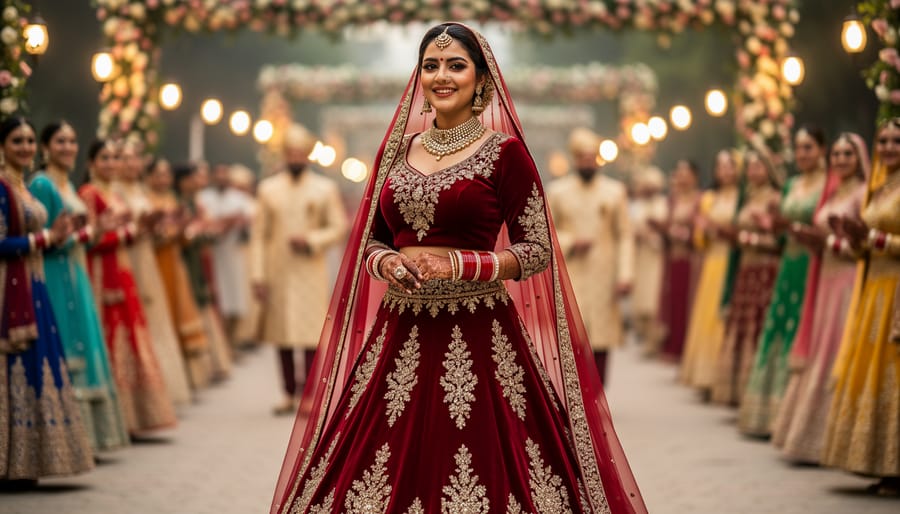
Red is still the barat favourite, and honestly, it earns the title. There’s something about a deep, saturated shade that photographs beautifully and feels instantly celebratory. But the 2026 palette has made room for company. Rust now sits alongside red as a warm, earthy alternative, and other deep, rich tones are joining them, so a bride who wants colour with real presence has more choices than ever.
That’s the fun part of this trend: bold doesn’t have to mean one single shade. A classic red still says “wedding” the moment you see it, while rust feels a little softer and more unexpected, especially next to gold or antique-toned jewellery.
Tip: Before you commit, ask to see your shortlisted shades in daylight and under warmer evening light, since a colour can shift dramatically between the two. Hold each one near your face to see which makes your skin glow rather than wash out. And think about the whole celebration. If your barat outfit is a vivid red, you may want your other functions’ outfits to sit comfortably beside it rather than compete.
2. Pastel Elegance, Soft Shades for a Softer Mood
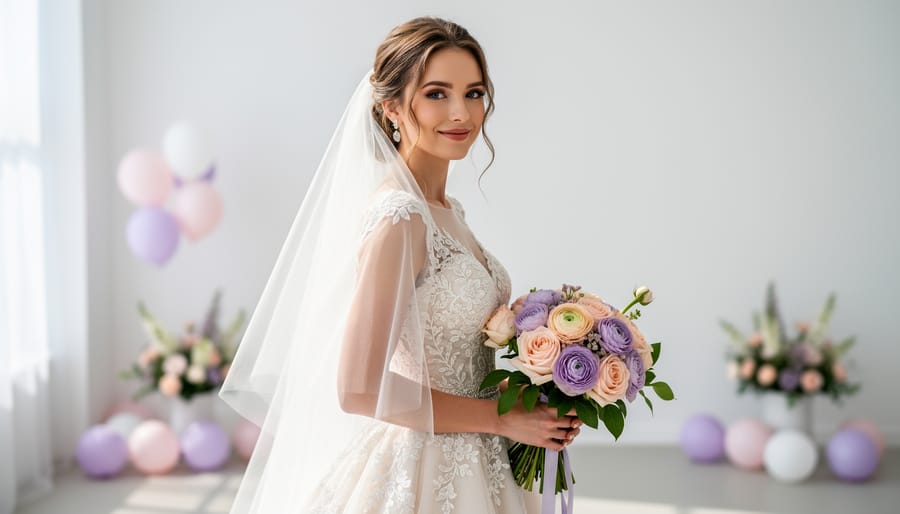
Picture a bride at her final fitting, holding a deep red lehenga her mother wore a version of decades ago. Then she sees a soft ice mint one with delicate silver work and can’t stop thinking about it. She’s planning a daytime ceremony with close family, and the mint feels like the mood she’s after: calm, fresh, a little dreamy. She picks it, and she’s not alone.
Pastel elegance is one of the clearest shifts in Pakistani bridal fashion right now. Red is still the barat favourite, but it now shares the season with ice mint, pistachio, and champagne. A pastel lehenga with delicate silver work offers a lighter alternative to the traditional red with heavy gold embroidery, and it suits brides who want their look to feel gentle and personal rather than prescribed.
Expert tip: let your jewellery follow the undertone of the shade. Silver, white gold, and pearls tend to sit beautifully against cool pastels like ice mint and pistachio, while champagne often glows with softer yellow gold or rose gold pieces. Hold your jewellery up against the fabric in natural daylight during a fitting, since pastels shift quite a bit under different light.
3. Luxurious Fabrics, Velvet and Chiffon Take Centre Stage
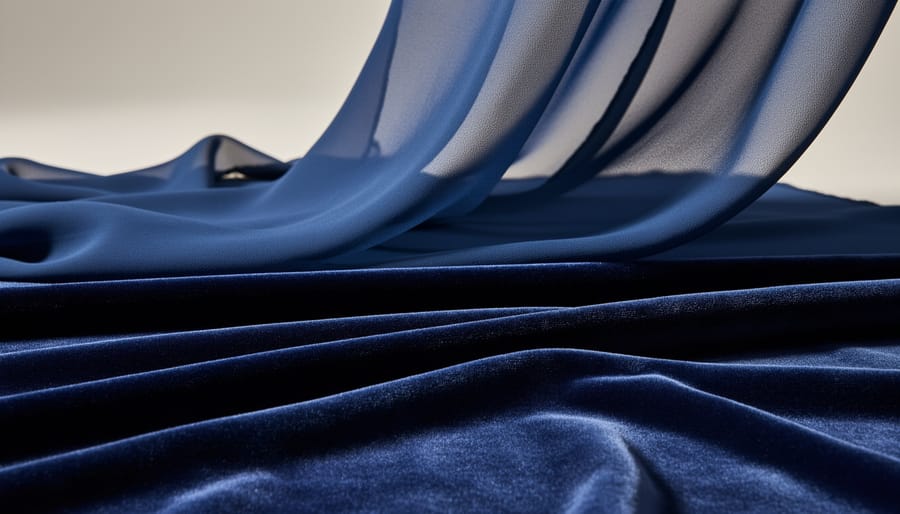
Velvet and chiffon are the two fabrics that keep coming up for 2026, and they could not feel more different on the body.
Velvet brings richness and structure. It has weight, so it holds a shape and drapes in deep, sculpted folds. It also catches light softly, which gives photographs a warm, luxe glow. The trade-off is that it can feel heavier to wear, so it’s worth trying on for an hour or two, not just a quick mirror check.
Chiffon is all about movement and lightness. It floats, ripples when you walk, and makes a dupatta look dreamy in motion. It tends to photograph as soft and airy, and it’s far easier to move and dance in.
So how do you choose? Think about the function and how you want to feel. If you want a grand, formal presence for the main celebration, velvet delivers that. If you’ll be on your feet greeting guests or dancing, chiffon keeps things comfortable. Plenty of brides mix both, like a structured velvet blouse with a flowing chiffon dupatta.
4. 3D Embellishments and Handwork, Zardozi and Gota Patti Reimagined
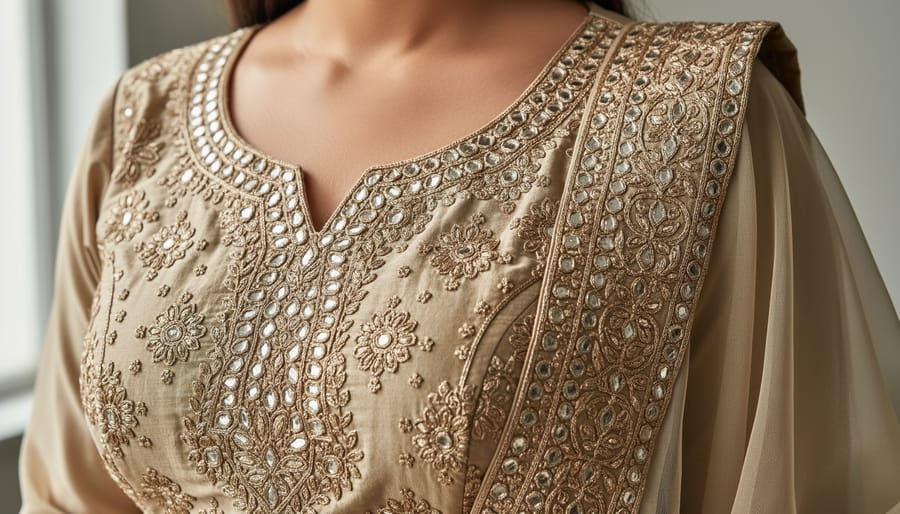
Embellishment is getting more dimensional. Think raised, textured handwork you can almost feel with your fingertips, rather than flat, all-over embroidery. Two traditional techniques are leading the way in 2026: zardozi, the metallic thread work known for its rich, sculptural look, and gota patti, with its shimmering applique ribbon work that catches the light beautifully. Both are being reimagined with a lighter touch, and that’s what makes them feel so fresh.
Here’s the real shift: heavy embroidery hasn’t gone away, it has simply moved. Instead of covering the entire outfit, the most intricate detail now sits at the neckline, the waist, and the dupatta border. The result feels intricate and rich without overwhelming the bride. Your eye lands on the details, and the rest of the outfit gets room to breathe, which also pairs nicely with softer shades like pastels.
A quick tip from one bride to another: ask about weight and comfort at every fitting. Handwork looks gorgeous, but you’ll be wearing it for hours. Walk, sit, hug your loved ones, and even practice a little twirl to see how the outfit feels. It’s far easier to adjust the placement of heavier embellishment early than to discover on the big day that it weighs on your shoulders.
5. Modern Silhouettes With Traditional Touches
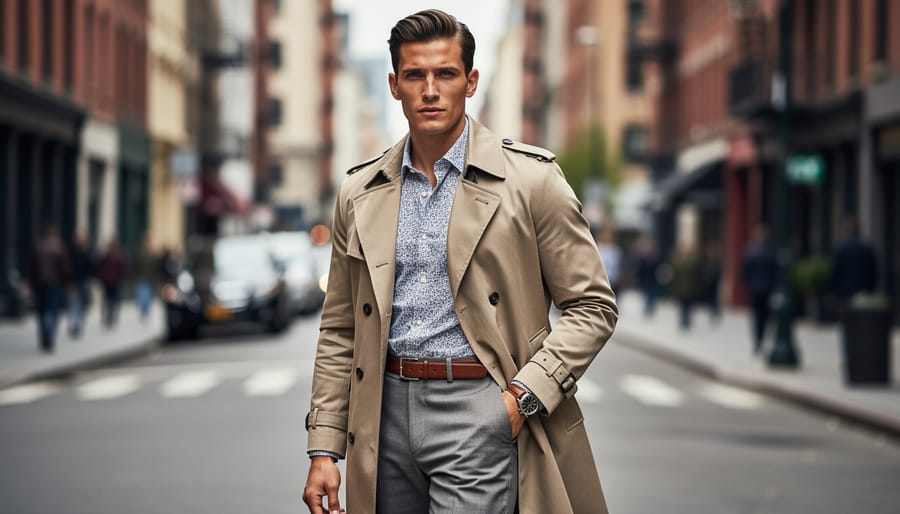
Here’s where tradition and modern taste meet in the nicest way. Instead of choosing between a classic bridal look and a contemporary one, many brides are blending the two. Layered lehengas are a good example: the extra tiers add movement and a fuller, more current shape, while the detailing still feels rooted in heritage.
The theme running through 2026 is lighter and more personal. Heavy embroidery hasn’t disappeared, it has simply moved to the neckline, the waist, and the dupatta border, so the outfit feels intricate without feeling overwhelming. That leaves room to update the cut, the colour, or the overall silhouette.
A simple way to approach it is to choose one or two heritage elements you truly love and modernize the rest. Maybe it’s the embroidery technique your family has always admired, a dupatta that echoes one from a loved one’s wedding, or a shade that carries meaning for you. Keep those, then let the cut and styling reflect who you are today.
6. The Double Dupatta Draping Style
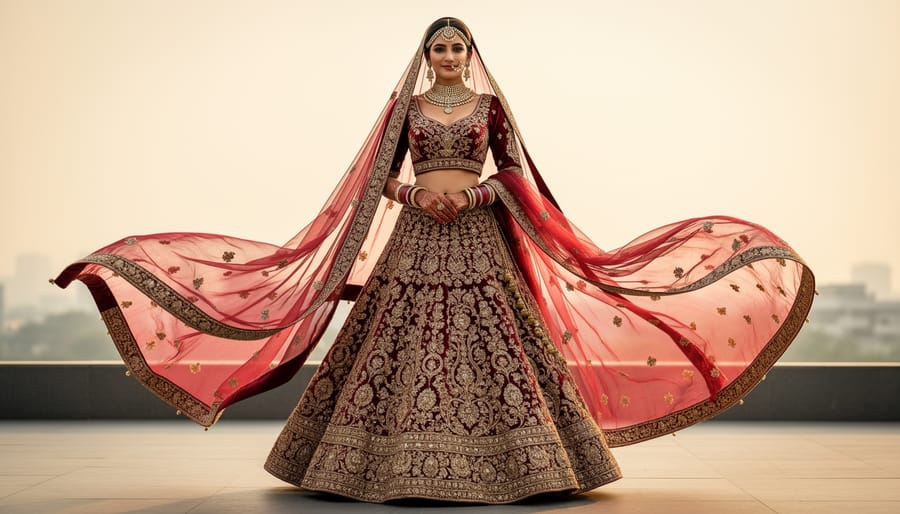
The double dupatta look is exactly what it sounds like: two dupattas worn together, each doing a different job. It adds depth to the outfit, frames the face, and gives your portraits that soft, moving-in-the-breeze quality photographers love.
Here’s a simple way to wear it. Drape one dupatta over your head like a veil, then let the second fall across one shoulder or down your back. Pairing a sheer, lighter dupatta with a richer, heavier one creates lovely contrast, especially now that embroidery often sits along the dupatta border. Match the shades or play with two tones that complement each other.
One practical tip: practice the drape well before the big day. Ask whoever will help you dress to rehearse with you during a fitting, so you know how the layers fall, where to pin them, and how to sit and walk without tugging. Practicing means you’ll feel relaxed and confident when it counts.
7. Long Trails and Dramatic Capes
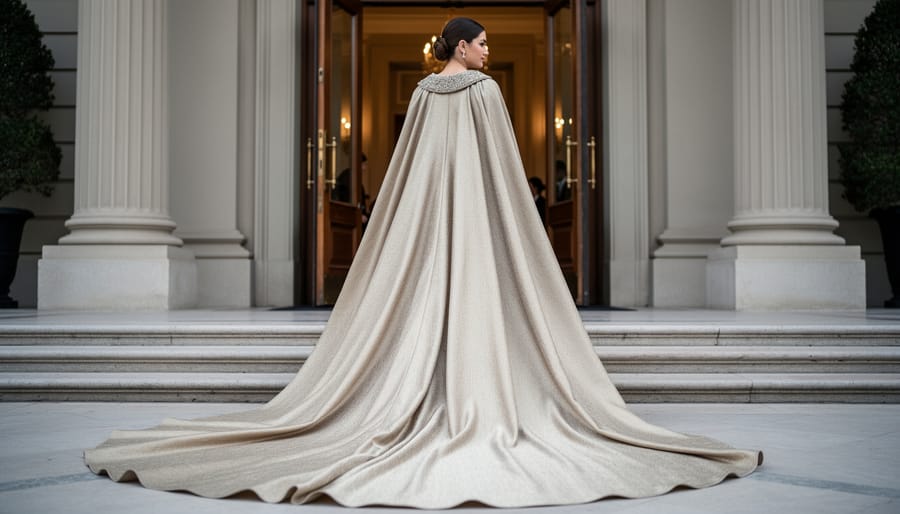
A long trail or a dramatic cape is what turns an outfit into an entrance. It’s one of the 2026 Pakistani bridal trends for good reason: the movement looks stunning in motion and even better in portraits, with fabric pooling behind her as she walks in.
The fun part is planning for the drama. A trail needs room, so think about the aisle, the stage steps, and any tight corners in the venue. Pick a trusted helper or two (a sister, a best friend, a cousin) to fan it out for photos and lift it on stairs. Practice walking in your full outfit at least once before the day, so the trail feels like part of you.
A cape is the more flexible option. Layer one over a simpler lehenga and the whole look becomes ceremony-ready, with the bonus that you can remove it later for dancing. If you’re weighing extras like this, it helps to understand how wedding costs work so every detail earns its place.
8. Statement Blouses and Crop Tops
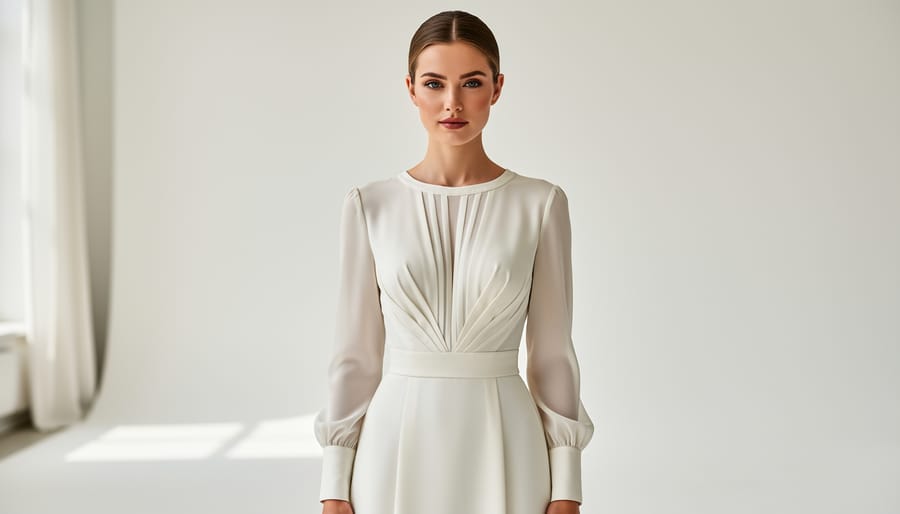
The blouse has quietly become the star of the Pakistani bridal outfit. With heavy embroidery moving to the neckline and the waist, the choli or crop top is where much of the handwork now lives, so it naturally draws the eye first. A pastel lehenga can look soft and simple from the skirt down, while the top carries all the intricate detail.
The cut matters just as much as the embellishment, and comfort should lead. A bride who feels at ease in her neckline, sleeve length, and hem will stand, dance, and pose far more freely than one adjusting her outfit all night. There’s no single right answer, only the one that makes you feel like yourself.
That’s why fittings are worth using well. Try a few necklines side by side, such as a rounded scoop, a deeper V, or something higher and structured, and notice which one feels most natural. Move, sit, and lift your arms in each. The silhouette that has you reaching for the mirror twice is usually the keeper.
9. Minimalistic and Modern Bridal Looks
The last trend on our list is the quietest, and for many brides, the most freeing. A minimalistic and modern bridal look strips things back to cleaner lines, restrained embellishment, and styling choices that feel like you rather than a checklist. Since heavy embroidery has moved to the neckline, waist, and dupatta border, a pared-back outfit simply lets one of those details do the talking.
This approach suits brides who want something lighter and more personal. It sits beautifully with the pastel palette, think ice mint, pistachio, or champagne, where a soft shade and delicate work already say plenty. If you’re unsure how to translate a simple idea into a full outfit, a little wedding vision help can make the decisions feel far less overwhelming.
Minimal doesn’t mean plain. It means every choice earns its place.
Dressing for Every Function: Matching Trends to Your Wedding Events
Brides today often think about how to dress for each wedding function rather than treating one outfit as the whole story. That opens up room to spread the nine trends across the celebration instead of cramming them into a single look.
For a lighter, daytime-style gathering, pastel elegance and minimalistic looks feel natural: think ice mint, pistachio, or champagne with restrained embellishment. For the main barat-style moment, deeper colours like red or rust, velvet, and a long trail or cape give you the drama that entrance deserves. Statement blouses, double dupatta draping, and handwork like zardozi or gota patti can slot in wherever you want a little extra personality.
Families and traditions vary, so treat these pairings as starting points, not rules. Sit down with the people who matter to you and sort out what each event means for your family before you choose.
Guests often take their cues from the bride’s palette too, so sharing your colour direction early can help everyone planning their wedding guest dresses.
Your Pakistani Wedding Dress Trend Questions, Answered
Is red still the traditional colour for a Pakistani bride?
Yes, red is still the barat favourite. It now shares the season with ice mint, pistachio, champagne, and rust, so brides have more room to choose a shade that feels like them.
Where is heavy embroidery placed on modern bridal outfits?
Heavy embroidery hasn’t disappeared, but it has moved to the neckline, the waist, and the dupatta border. That keeps the outfit intricate without feeling overwhelming.
What fabrics are popular for Pakistani bridal wear?
Velvet and chiffon are both in the spotlight, often paired with layered lehengas. Techniques like zardozi and gota patti add the handwork that makes each piece feel special.
Can I wear a pastel lehenga for my barat?
Absolutely. Many brides now choose a pastel lehenga with delicate silver work in place of the traditional red, though your family’s traditions and your own taste should guide the final call.
Still wondering how to pull it all together? Think of your wedding functions as a series of chapters rather than one big look. Each event can have its own palette, silhouette, and level of embellishment, as long as the outfits feel like they belong to the same story. Bring your questions to your fittings and let the details guide you.
Pakistani bridal style in 2026 is really about keeping what you love from tradition and giving yourself room to make the rest your own. Colour feels more considered, embroidery sits exactly where it flatters, and fabrics are chosen for how they move and how you want to feel in them. Whether you stay devoted to a rich red or fall for a soft pastel, the best look is the one that tells your story.
That personal touch is at the heart of every Latest Wedding Ceremony Trends conversation we have: celebrations shaped by the couple, not by a checklist. If you’re ready to turn your own vision into something real, come explore planning support with . We’d love to help you bring it to life, one beautiful detail at a time.